
Map Your Kitchen, Shrink Your Waste
Today we dive into designing a low-waste kitchen through systems mapping, translating grocery lists, storage habits, cooking rhythms, and cleanup routines into a living diagram you can test and improve. You will learn to trace inputs, outputs, bottlenecks, and feedback signals, then reshape layout, purchasing, and meal planning to prevent waste before it starts. Expect practical experiments, honest metrics, and stories from real households, so you can adapt ideas immediately, invite your family into the process, and share your wins and questions with our engaged community.
Seeing Flows Instead of Things
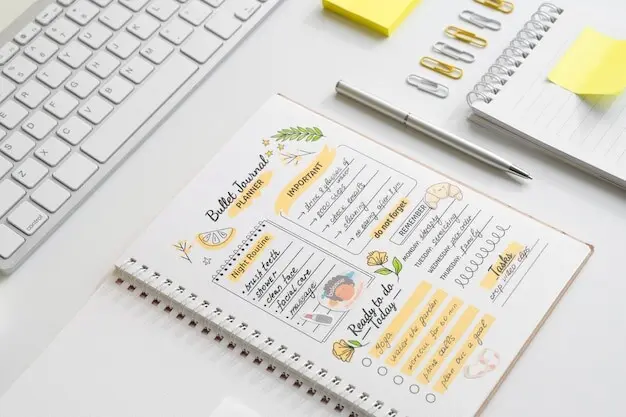
Systems thinking helps you move beyond isolated fixes and notice how ingredients, information, time, and attention circulate. By mapping touchpoints from doorstep to plate to compost, subtle patterns appear: invisible delays, duplicate steps, and unlabeled leftovers that quietly generate waste. A quick sketch on paper can reveal handoffs, decisions, and failure modes, turning frustration into curiosity and small experiments that compound into meaningful, sustained reductions.

Inventory as a Living Map
Start with an inventory that behaves like a living map, not a dusty list. Group items by use, shelf, and perishability, then mark minimum and maximum levels for stability. A photo of each shelf before shopping exposes blind spots. One reader discovered three open bottles of soy sauce simply by comparing pictures across weeks, then set a simple rule: one open bottle, one backup, clear labels. Waste shrank, clarity grew, and dinner felt calmer.

From Fridge to Bin: Tracing Decay Pathways
Follow the quiet journey of food from hopeful purchase to unnecessary discard. Herbs wilt because they hide behind taller jars; yogurt expires because its date is turned to the back; citrus molds because condensation pools in a corner. Draw that path honestly and you will spot two or three leverage points. A clear tray for soon-to-spoil items, plus a Friday “rescue recipe” ritual, can reclaim surprising amounts with almost no extra effort.

Define Waste Beyond Scraps
Name every kind of waste your kitchen creates: uneaten leftovers, stale staples, disposable packaging, duplicated gadgets, excessive water, and frantic last-minute takeout. Give each a simple descriptor and a way to recognize it in the moment. One family labeled three buckets—edible, inedible, and avoidable—and learned that most discards were once-delicious side dishes. That insight reframed the plan: cook fewer sides, double only main components that reheat beautifully, and portion early rather than late.

Baselines, Diaries, and Honest Numbers
Before improvements, measure what exists. Keep a seven-day diary: quantities binned, items spoiled, packaging volume, surprise purchases, and minutes spent hunting ingredients. Photographs provide impartial truth and make trends obvious. You might discover that weekend enthusiasm drives overbuying, while Wednesday fatigue triggers takeout. With a baseline, progress becomes a story told in numbers and photos, not opinions. This honesty invites the household to collaborate, not argue, because the evidence is shared and kind.
Redesigning Storage for Visibility and First-In, First-Out
{{SECTION_SUBTITLE}}

Transparent Containers and Standardized Sizes
Choose a modest set of clear containers that stack neatly, share lids, and reveal contents at a glance. This small investment repays itself by reducing forgotten leftovers and smelly surprises. Consistent shapes end the unstable tower of mismatched tubs, while built-in volume cues improve portioning. A reader switched to four sizes, labeled measurements on the side, and cut their weekly dump-outs in half, simply because every shelf became a window, not a mystery box.

Labeling That Reduces Cognitive Load
Labels are micro-instructions for your future self. Use large dates, short names, and color hints for urgency. Place stickers on the side, not the lid, so truth faces you when the door opens. Standard phrasing—“Cook by,” “Freeze by,” “Use in salads”—turns decisions into effortless yeses. When children and guests can interpret the code instantly, leftovers reappear in lunches and snacks, not landfills. Fewer questions, faster choices, and a steady drumbeat of saved ingredients follow.
Meal Planning as Flow Control
Treat planning like a valve that directs ingredients toward timely use. Begin with what will spoil first, then build menus that stretch components across multiple meals without boredom. Use cooking sessions to create versatile bases, and slot quick rescue dishes near the end of the week. When your plan reflects real calendars, hunger patterns, and leftovers, you prevent overbuying while preserving spontaneity. Guiding the flow beats policing appetites, and enjoyment naturally rises.
Procurement and Packaging: Upstream Levers
Reducing waste begins before groceries cross the threshold. Adjust quantities, packaging choices, and vendor relationships to match real demand. Favor bulk where it makes sense, refills for staples, and produce programs that respect seasons. Ask shops about tare weights and container policies, and reward vendors who welcome reusables. When purchasing aligns with storage capacity, cooking cadence, and family tastes, waste shrinks quietly. Budgets feel friendlier, and your bins echo the thoughtful choices made upstream.
Feedback Loops and Experiments
Improvement sticks when the kitchen can learn. Build feedback loops that celebrate wins, reveal drift, and invite tiny experiments. Post simple metrics, review them weekly, and adjust one variable at a time. Share photos and recipes that rescued near-dated ingredients. When setbacks happen, treat them as data, not defeat. Over months, this playful cadence turns ambition into capability, and capability into culture—your household’s distinctive, resilient way of cooking with care and intention.
All Rights Reserved.